Is mamajuana known as an aphrodisiac? YES, IT IS. Dominicans call it “Dominican Viagra” for a reason. This legendary drink combines rum, red wine, and honey with a unique blend of tree bark and herbs that has been part of Dominican culture for centuries. Whether you’ve had a shot straight from the bottle at a local bar or sipped it as an after-dinner liqueur at your resort, mamajuana leaves a lasting impression—sweet yet fiery, and according to local legend, capable of putting a little extra “spring in your step.”
This comprehensive guide covers everything you need to know about mamajuana: its fascinating history, traditional ingredients, how to make it yourself, where to buy the best bottles in Punta Cana, and how to legally bring this taste of the Dominican Republic back home.
In This Guide
- What Is Mamajuana?
- History & Origin
- Ingredients Breakdown
- Traditional Recipe
- Health Claims & Benefits
- Where to Buy in Punta Cana
- Best Mamajuana Brands
- How to Bring Mamajuana Home
- Serving Suggestions
- FAQs
What Is Mamajuana? (Mama Juana)
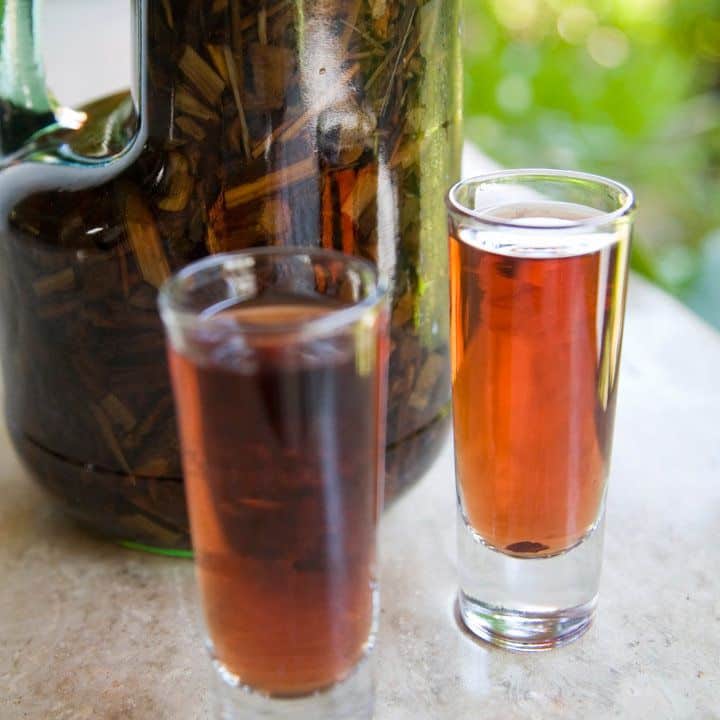
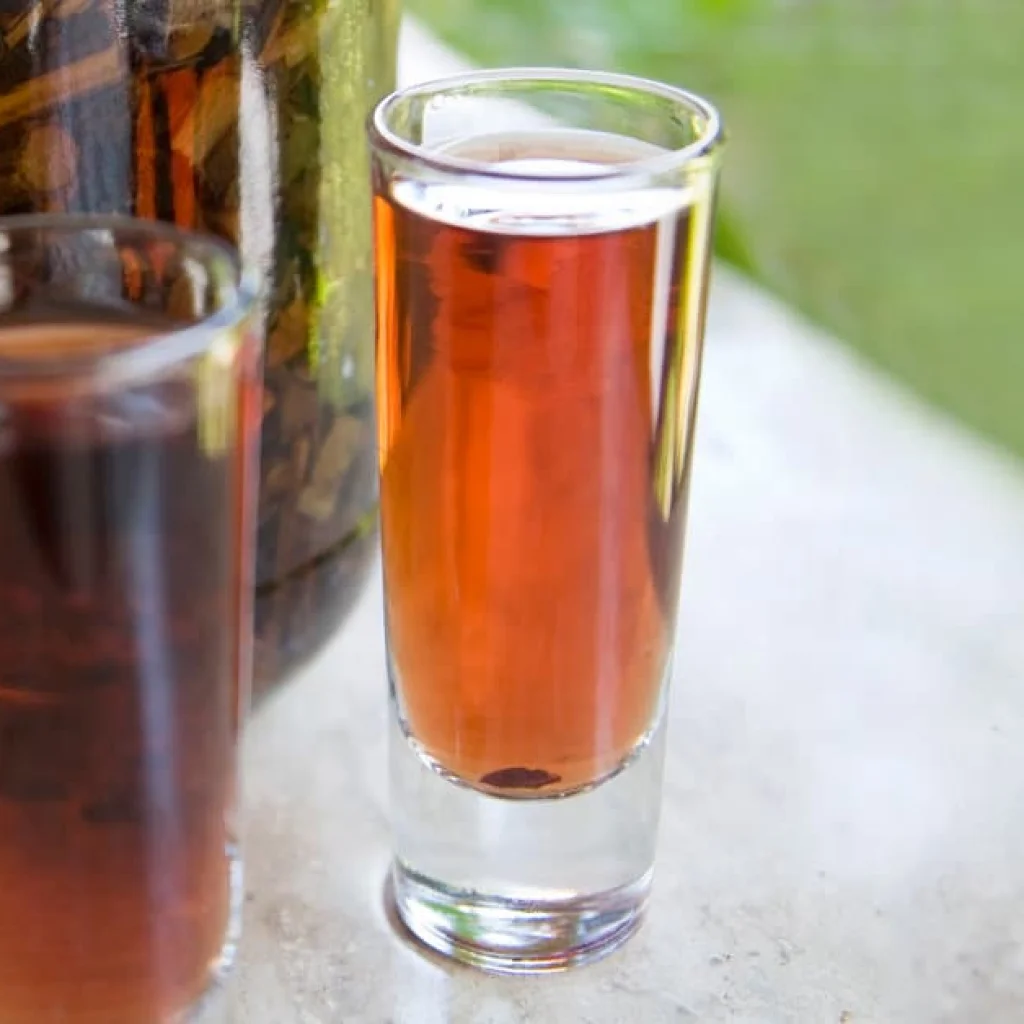
Mamajuana (also spelled “mama juana”) is the Dominican Republic’s national drink—a unique herbal concoction made by soaking tree bark, herbs, and spices in a mixture of rum, red wine, and honey. The result is a complex, aromatic spirit that tastes somewhere between spiced rum and herbal liqueur, with notes of cinnamon, anise, and honey creating a warming sweetness.
The name “mamajuana” comes from the Spanish word for a demijohn bottle (damajuana), which was traditionally used to store the drink. Today, mamajuana is sold in distinctive glass bottles filled with a bundle of herbs and bark, ready to be “activated” with alcohol.
On excursions like Dune Buggies and Safari tours, you’ll often have the chance to sample authentic mamajuana prepared by local families—an experience that connects you directly to Dominican culture.
History & Origin of Mamajuana
Taino Roots
The story of mamajuana begins long before Columbus arrived in the Caribbean. The Taino Indians, the indigenous people of Hispaniola, created the original version as an herbal tea. They steeped native tree bark, leaves, and roots in water to create medicinal remedies. These botanical preparations were used to treat various ailments, from digestive problems to respiratory issues.
Spanish Colonial Transformation
When Spanish colonizers arrived in the post-Columbus era, they brought something the Taino didn’t have: alcohol. The Spanish quickly discovered that adding rum and wine to the traditional Taino bark mixture created something extraordinary—a potent elixir that combined European spirits with indigenous botanical knowledge.
Over the following centuries, Dominican families developed their own secret recipes, passing them down through generations. Each region, and often each family, created variations with different combinations of bark, herbs, and spices. This tradition continues today, making every bottle of authentic mamajuana slightly unique.
Modern Mamajuana
In the 20th century, mamajuana evolved from a home remedy into a symbol of Dominican identity. While it was once primarily made for medicinal purposes, today it’s enjoyed as a celebratory drink, a conversation starter with visitors, and a unique souvenir that embodies Dominican culture. Commercial production began in earnest in the 1990s, making mamajuana available to tourists and export markets.
Mamajuana Ingredients Breakdown
Authentic mamajuana contains a complex mix of botanical ingredients. While recipes vary by region and family tradition, these are the most common components:
Tree Bark & Wood
- Canelilla (Cinnamodendron ekmanii) – Adds cinnamon-like flavor
- Bohuco Pega Palo (Cissus verticillata) – Traditional healing vine
- Bojuco Caro (Princess Vine) – Aromatic climbing vine
- Timacle (Chiococca alba) – Known as West Indian snowberry
- Marabeli (Securidaca virgata) – Milkwort family plant
Herbs & Spices
- Anis Estrellado (Illicium verum) – Star anise, provides licorice notes
- Clavo Dulce – Whole cloves for warmth and depth
- Canela – Cinnamon sticks
- Albahaca (Ocimum basilicum) – Basil leaves
- Anam (Petiveria alliacea) – Garlic-scented herb with medicinal properties
Liquid Components
- Dark Dominican Rum – Often called “gasoline” locally due to its potency; Brugal or Barceló are common choices
- Red Wine – Typically a dry red; adds complexity and color
- Honey – Local Dominican honey provides sweetness and helps preserve the mixture
Traditional Mamajuana Recipe
Making mamajuana at home is a rewarding process, though it requires patience. Here’s the traditional two-phase method used by Dominican families for generations:
Ingredients
- 1 bottle of mamajuana dry herbs/bark mix (available for purchase)
- 750ml dark rum (Brugal Añejo or similar)
- 750ml dry red wine
- 1 cup raw honey (Dominican honey preferred)
- Optional: 2-3 cinnamon sticks, 5-6 whole cloves, 2 star anise
Step 1: Cure the Bark (First Steep)
Before making drinkable mamajuana, you must “cure” the bark to remove bitterness and tannins:
- Pour cheap red wine over the dry herb mixture until fully covered
- Seal the bottle and let it sit for 3-7 days
- The wine will turn dark and absorb bitter compounds
- Pour out and discard this wine—it’s not for drinking
- The bark is now “cured” and ready for the real recipe
Note: Some pre-packaged mamajuana kits come pre-cured, so check the label before curing again.
Step 2: Add the Alcohol Mixture
- In a separate container, mix: 3 parts rum, 1 part red wine, 1 part honey
- Stir until honey dissolves completely
- Pour mixture over the cured bark until the bottle is full
- Seal tightly
Step 3: Steep for 1-2 Weeks
Store the bottle in a cool, dark place for 1-2 weeks minimum. The longer it steeps, the more complex the flavor becomes. Some families age their mamajuana for months or even years. Shake the bottle gently every few days to help the infusion process.
Step 4: Strain and Serve
Once steeped to your preference:
- Strain through a fine mesh strainer or cheesecloth
- Transfer to a clean bottle for serving
- The remaining bark can be reused—simply add more rum, wine, and honey
- Bark can be refilled 20-30 times before losing potency
Prep time: 20 minutes | Cure time: 3-7 days | Steep time: 1-2 weeks
Health Claims & Benefits
Dominicans have attributed numerous health benefits to mamajuana for centuries. While scientific studies are limited, understanding these traditional beliefs helps explain why the drink holds such cultural significance.
Traditional Beliefs
- Aphrodisiac properties – The most famous claim; locals call it “liquid Viagra” or “baby maker”
- Digestive aid – Believed to settle the stomach and aid digestion
- Cold and flu remedy – Many Dominicans drink warm mamajuana when sick
- Blood circulation – Thought to improve blood flow throughout the body
- Kidney and liver support – Traditional uses include organ cleansing
- Energy booster – Honey content provides natural energy
Ingredient-Specific Benefits
Some of mamajuana’s ingredients do have documented properties:
- Cinnamon – May help regulate blood sugar levels
- Cloves – Natural analgesic properties; traditionally used for pain relief
- Honey – Antibacterial properties; centuries-old remedy for coughs and sore throats
- Star anise – Contains compounds with antioxidant properties
Disclaimer: These are traditional beliefs and not medical claims. Always drink alcohol responsibly, and consult a healthcare provider for medical advice. Mamajuana is a potent alcoholic beverage and should be consumed in moderation.
Where to Buy Mamajuana in Punta Cana
Finding authentic mamajuana in Punta Cana is easy—it’s everywhere! Here are the best places to purchase:
Resort Gift Shops
Most all-inclusive resorts stock mamajuana in their gift shops. While prices may be slightly higher than local shops, the convenience and quality assurance make this a reliable option. Many resorts also serve mamajuana at their bars.
Local Shops & Markets
For the best prices and authentic experience, visit local shops in nearby towns like Higüey or Bávaro. The Punta Cana shopping areas offer numerous vendors selling both pre-made mamajuana and dry ingredient kits.
Souvenir Stores
Dedicated souvenir shops along tourist areas typically offer a wide selection of mamajuana brands. Compare prices between vendors, as they can vary significantly.
Punta Cana Airport (Duty-Free)
The duty-free shops at Punta Cana International Airport stock mamajuana for last-minute purchases. Prices are competitive, and you won’t need to worry about carrying bottles during your vacation. This is the most convenient option for liquid mamajuana.
Excursions & Tours
Many excursions and tours include stops at local homes or farms where mamajuana is made. This is often where you’ll find the most authentic homemade versions, and you can watch the preparation process firsthand.
Best Mamajuana Brands
If you’re looking for pre-made, ready-to-drink mamajuana, these are the most reputable commercial brands:
Kalembu
The most widely recognized brand outside the Dominican Republic. Kalembu offers consistent quality and is often found at international liquor stores. Their ready-to-drink version requires no preparation.
Candela
Known for a spicier, more traditional flavor profile. Candela uses a higher proportion of bark and herbs, creating a more robust taste that appeals to those seeking authentic mamajuana.
Don Ramon
A premium brand with smooth flavor and attractive packaging. Don Ramon is popular among tourists and makes an excellent gift.
Tres Toros
Budget-friendly option that still delivers authentic flavor. A good choice for those wanting to try mamajuana without significant investment.
How to Bring Mamajuana Home
Want to take mamajuana back to the US, Canada, or Europe? Here’s what you need to know about customs regulations:
Liquid Mamajuana (Ready-to-Drink)
Good news: Liquid mamajuana is treated like any other alcoholic beverage. You can bring it home subject to standard alcohol import limits:
- US: 1 liter duty-free per person (additional amounts subject to tax)
- Canada: 1.14 liters duty-free per person
- EU: Varies by country; typically 1-4 liters
Pack liquid mamajuana in checked luggage only—TSA liquid limits apply to carry-on bags. Wrap bottles carefully to prevent breakage.
Dry Mamajuana Kits (Bark & Herbs Only)
Caution: US and Canadian customs often confiscate dry mamajuana ingredients. The bark and plant material may be considered agricultural products subject to inspection and seizure.
US Customs officers are familiar with mamajuana and will specifically ask if you’re bringing back any. If they discover dry ingredients, they may confiscate them at the border. While some travelers have successfully brought dry kits through, it’s a risk.
Best Strategy
- Buy liquid mamajuana at the airport duty-free shop—guaranteed to pass through customs
- If you want dry ingredients, declare them and accept the risk of confiscation
- Consider ordering dry mamajuana kits from US-based retailers once you’re home
Serving Suggestions
There’s no single “right” way to enjoy mamajuana. Here are the most popular serving methods:
Straight Shots
The traditional method. Serve mamajuana at room temperature in small shot glasses. The honey makes it smooth enough to sip, but it’s still potent—pace yourself!
On the Rocks
Pour over ice to mellow the flavor and make it more refreshing, especially on hot Caribbean days. The ice dilution brings out different flavor notes.
Mamajuana Cocktails
Use mamajuana as a cocktail ingredient:
- Mamajuana Colada: Blend with coconut cream and pineapple juice
- Mamajuana Sour: Mix with lime juice and simple syrup
- Spiced Coffee: Add a shot to hot coffee with cream
- Tropical Punch: Combine with orange juice, passion fruit, and soda
Warm/Hot
During cooler evenings or when feeling under the weather, Dominicans heat mamajuana gently (don’t boil) and sip it like hot toddy. The warmth intensifies the spice notes and creates a soothing drink.
Strength Warning
Mamajuana is very potent—typically 30-40% alcohol content. The combination of dark rum with the herbal infusion creates a drink that can sneak up on you. Drink responsibly, take small sips, and limit yourself to a few shots. The “Dominican Viagra” reputation is all in good fun, but alcohol poisoning is not!
Frequently Asked Questions
What does mamajuana taste like?
Mamajuana has a complex flavor profile combining sweet honey, warm spices (cinnamon, cloves, anise), the depth of rum, and subtle herbal/woody notes from the bark infusion. It’s smoother than straight rum due to the honey, with an aromatic finish that lingers. Most people find it surprisingly pleasant for such a potent drink.
Is mamajuana legal in the US?
Yes, liquid mamajuana is completely legal to bring into the US, subject to standard alcohol import limits. However, dry mamajuana ingredients (bark and herbs) may be confiscated by customs as agricultural products.
Does mamajuana really work as an aphrodisiac?
While mamajuana is famous for its supposed aphrodisiac effects, there’s no scientific evidence supporting these claims. The reputation likely comes from the combination of alcohol (which lowers inhibitions) and the ritualistic way it’s consumed socially. It’s all part of the fun and folklore surrounding this traditional drink!
How long does mamajuana last?
Once prepared, liquid mamajuana can last indefinitely due to its high alcohol content. Store it in a cool, dark place. The dry bark and herbs can be reused 20-30 times—simply add more rum, wine, and honey when the bottle gets low. Many Dominican families use the same bark for years.
Can you reuse the mamajuana bark?
Yes! This is one of mamajuana’s best features. The bark and herbs can be refilled 20-30+ times. Simply add your rum, wine, and honey mixture when the bottle is nearly empty. Many say the flavor actually improves with subsequent batches as the bark becomes more seasoned.
How strong is mamajuana?
Mamajuana typically contains 30-40% alcohol by volume (60-80 proof), depending on the rum used and honey ratio. This makes it as strong as most spirits. The smooth, sweet taste can be deceiving—always drink responsibly and in moderation.
Where can I buy mamajuana in the Dominican Republic?
Mamajuana is sold everywhere in Punta Cana: resort gift shops, local markets, souvenir stores, supermarkets, and the airport duty-free shops. For the best prices, shop at local markets. For convenience, buy at the airport on your way home.
Is mamajuana gluten-free?
Traditional mamajuana made with rum, wine, and honey is naturally gluten-free. However, always check commercial brands for additives. If you have celiac disease or gluten sensitivity, verify ingredients before consuming.
What’s the difference between mamajuana and rum?
While mamajuana contains rum as a base, it’s much more complex. The addition of red wine, honey, tree bark, and herbs creates a unique herbal liqueur with medicinal herb notes that distinguish it from plain rum. Think of it as rum transformed through traditional Dominican alchemy.
Can you make mamajuana without alcohol?
The original Taino version was actually a non-alcoholic herbal tea! You can steep the bark and herbs in hot water, add honey, and enjoy “mamajuana tea.” However, the modern alcoholic version extracts different compounds from the bark, so the flavors will be quite different.
How do you pronounce mamajuana?
It’s pronounced “mah-mah-HWAH-nah” in Spanish. The “j” makes an “h” sound. You’ll also hear locals call it simply “mama juana” or “mama.”
Is mamajuana the same as MamaJuana marijuana?
No, absolutely not. Despite the similar pronunciation, mamajuana is a traditional herbal alcoholic drink with no cannabis content whatsoever. The confusion sometimes arises from the name, but they are completely different substances. Mamajuana is legal everywhere alcohol is legal.
Frequently Asked Questions
What does mamajuana taste like?
Mamajuana has a complex flavor profile combining sweet honey, warm spices (cinnamon, cloves, anise), the depth of rum, and subtle herbal/woody notes from the bark infusion. It's smoother than straight rum due to the honey, with an aromatic finish.
Is mamajuana legal in the US?
Yes, liquid mamajuana is completely legal to bring into the US, subject to standard alcohol import limits. However, dry mamajuana ingredients (bark and herbs) may be confiscated by customs as agricultural products.
Does mamajuana really work as an aphrodisiac?
While mamajuana is famous for its supposed aphrodisiac effects, there's no scientific evidence supporting these claims. The reputation likely comes from the combination of alcohol and the ritualistic way it's consumed socially.
How long does mamajuana last?
Once prepared, liquid mamajuana can last indefinitely due to its high alcohol content. Store it in a cool, dark place. The dry bark and herbs can be reused 20-30 times.
Can you reuse the mamajuana bark?
Yes! The bark and herbs can be refilled 20-30+ times. Simply add your rum, wine, and honey mixture when the bottle is nearly empty. Many say the flavor actually improves with subsequent batches.
How strong is mamajuana?
Mamajuana typically contains 30-40% alcohol by volume (60-80 proof), depending on the rum used and honey ratio. The smooth, sweet taste can be deceiving—always drink responsibly.
Where can I buy mamajuana in the Dominican Republic?
Mamajuana is sold everywhere in Punta Cana: resort gift shops, local markets, souvenir stores, supermarkets, and the airport duty-free shops. For the best prices, shop at local markets.
Is mamajuana gluten-free?
Traditional mamajuana made with rum, wine, and honey is naturally gluten-free. However, always check commercial brands for additives.
What's the difference between mamajuana and rum?
While mamajuana contains rum as a base, it's much more complex. The addition of red wine, honey, tree bark, and herbs creates a unique herbal liqueur with medicinal herb notes.
How do you pronounce mamajuana?
It's pronounced 'mah-mah-HWAH-nah' in Spanish. The 'j' makes an 'h' sound. You'll also hear locals call it simply 'mama juana' or 'mama.'
Can you make mamajuana without alcohol?
The original Taino version was actually a non-alcoholic herbal tea! You can steep the bark and herbs in hot water, add honey, and enjoy 'mamajuana tea.'
Is mamajuana the same as marijuana?
No, absolutely not. Despite the similar pronunciation, mamajuana is a traditional herbal alcoholic drink with no cannabis content whatsoever. Mamajuana is legal everywhere alcohol is legal.