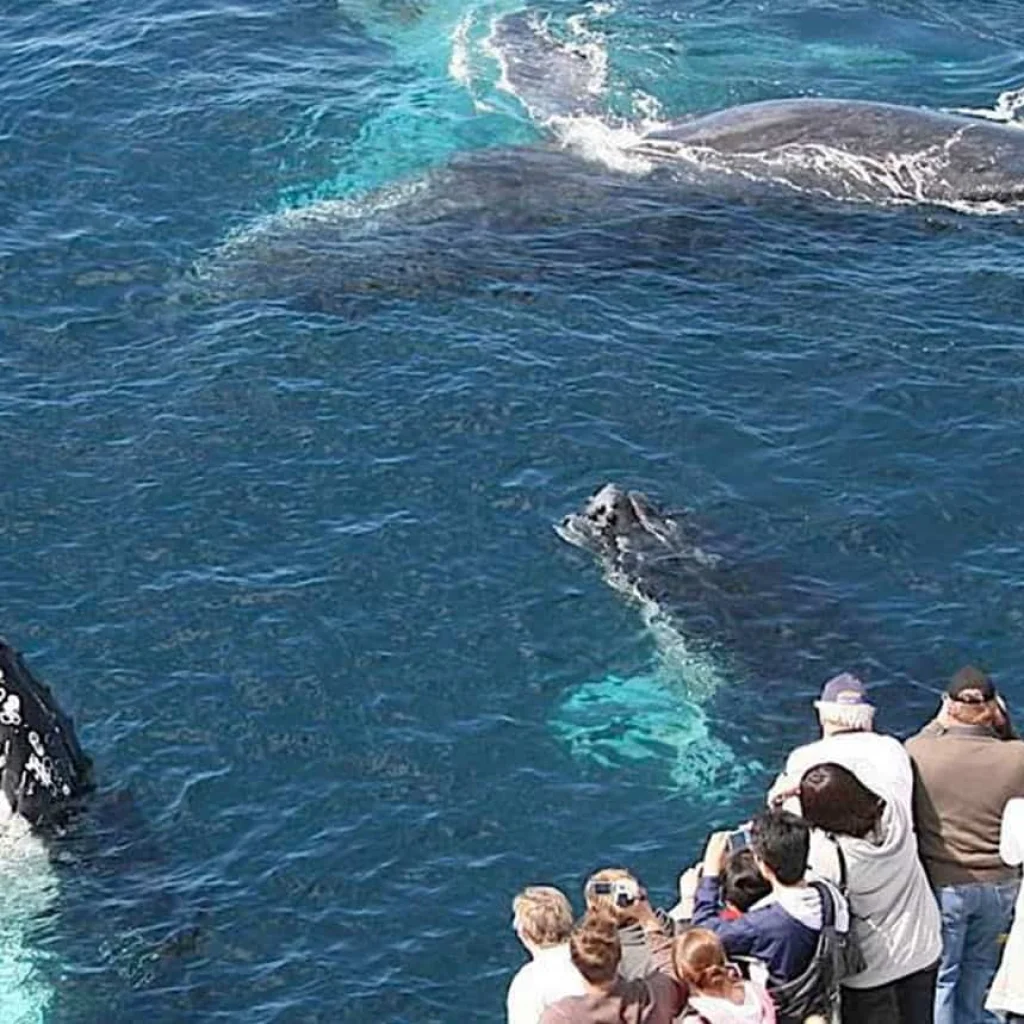
Every year from mid-January through late March, thousands of humpback whales migrate to the warm waters of the Dominican Republic to mate and give birth. While these magnificent creatures don’t visit the waters directly off Punta Cana, you can easily experience this natural wonder on a day trip to Samana Bay—one of the world’s premier whale watching destinations.
This comprehensive guide covers everything you need to know about whale watching from Punta Cana in 2026, including the best tours, what to expect, and insider tips for an unforgettable experience.
In This Guide
- Whale Watching Season 2026
- Where to See Whales
- Day Trips from Punta Cana
- What to Expect
- Best Time to Go
- Booking Tips
- What to Bring
- FAQs
Whale Watching Season 2026
The official whale watching season in the Dominican Republic runs from January 15 to March 30, 2026. During this time, an estimated 3,000-5,000 North Atlantic humpback whales gather in the warm Caribbean waters to breed and calve.
| Month | Whale Activity | Crowds | Recommendation |
|---|---|---|---|
| Mid-January | Early arrivals, males competing | Low | Good for fewer crowds |
| February | Peak activity, mating behavior | High | Best overall |
| Early March | Mothers with newborn calves | Moderate | Best for seeing calves |
| Late March | Migration beginning north | Low | Good, declining numbers |
The Dominican Republic is one of only a few places in the world where you can reliably see humpback whales this close to shore. According to the NOAA Fisheries, the Silver Bank region (near Samana) hosts one of the largest humpback whale breeding concentrations in the North Atlantic.
Where to See Whales
Samana Bay
Samana Bay is the primary whale watching destination in the Dominican Republic and one of the best locations in the entire Caribbean. Located on the northeastern coast, this protected bay provides ideal conditions for humpback whales. The town of Santa Barbara de Samana serves as the launching point for most whale watching boats.
Distance from Punta Cana: approximately 2-2.5 hours by road.
Silver Bank
For the ultimate whale encounter, Silver Bank offers multi-day liveaboard trips where you can actually swim with the whales. This protected marine sanctuary lies about 80 miles north of Puerto Plata. However, these trips are expensive ($4,000-6,000+) and require 3-7 days.
For most Punta Cana visitors, the day trip to Samana Bay provides an excellent whale watching experience at a fraction of the cost.
Day Trips from Punta Cana
Punta Cana Adventures offers whale watching day trips from Punta Cana resorts to Samana Bay, including a visit to Cayo Levantado. Here’s what a typical excursion includes:
Standard Whale Watching Day Trip
- Duration: 10-12 hours (full day)
- Price Range: $150-250 per person
- Includes: Hotel pickup, transportation, boat tour, guide, lunch
- Departure: Early morning (5:00-6:00 AM from most resorts)
- Return: Late afternoon (4:00-6:00 PM)
Sample Itinerary
- 5:30 AM: Pickup from your Punta Cana resort
- 8:00 AM: Arrive in Samana, board whale watching boat
- 8:30-11:30 AM: Whale watching in Samana Bay
- 12:00 PM: Lunch in Samana town
- 1:00 PM: Optional visit to Cayo Levantado (Bacardi Island)
- 3:00 PM: Depart for Punta Cana
- 5:30 PM: Return to your resort
Many tours combine whale watching with a visit to Cayo Levantado (also known as Bacardi Island), a beautiful beach island in Samana Bay. This makes for a well-rounded day trip that includes both wildlife viewing and beach time.
What to Expect
The Whales
Humpback whales (Megaptera novaeangliae) are the stars of the show. These magnificent creatures can reach:
- Length: 40-60 feet (12-18 meters)
- Weight: 25-40 tons (50,000-80,000 pounds)
- Lifespan: 80-90 years
Humpbacks are known for their acrobatic behavior, including:
- Breaching: Launching their massive bodies out of the water
- Tail slapping: Smacking the water surface with their flukes
- Pectoral fin waving: Rolling and waving their long fins
- Spyhopping: Rising vertically to “look around”
- Singing: Males produce complex songs during mating season
Sighting Success Rate
During peak season (February-early March), the success rate for seeing whales is extremely high—over 95% of tours report whale sightings. Most trips encounter multiple whales, and it’s common to see breaching behavior, especially in the morning hours.
However, wildlife is unpredictable. Some days the whales may be more active and surface frequently, while other days they may stay mostly submerged. Patience and realistic expectations lead to the best experience.
Best Time to Go
For the best whale watching experience from Punta Cana, consider these factors:
February: Peak Season
Mid-February is considered the absolute peak for whale watching. Male whales are actively competing for females, resulting in dramatic displays of breaching, tail slapping, and surface activity. However, this is also the busiest time, so book well in advance.
Early March: Baby Whales
If you want to see mother and calf pairs, early March is ideal. By this time, many females have given birth, and you may witness tender moments between mothers and their newborns learning to swim and breach.
Weather Considerations
February and March offer excellent weather in Punta Cana—dry season with minimal rain and calm seas. This makes for smoother boat rides and better viewing conditions. Check our complete best time to visit guide for detailed weather information.
Booking Tips
Follow these recommendations to ensure a successful whale watching trip:
- Book 2-4 weeks in advance during peak February season
- Choose morning departures when whales are most active
- Select smaller boats (under 30 passengers) for a more intimate experience
- Verify what’s included: transportation, lunch, guide, and any additional stops
- Ask about bilingual guides if English-speaking guidance is important to you
- Check cancellation policies in case of bad weather
Many Punta Cana resorts can arrange whale watching tours through their concierge desk, though booking directly is often more affordable. Book your Whale Watching & Cayo Levantado Tour for the best rates with hotel pickup included.
What to Bring
Pack these essentials for your whale watching day trip:
- Sunscreen (SPF 30+): You’ll be on the water for hours
- Sunglasses: Polarized lenses help reduce glare on the water
- Hat: Wide-brimmed for sun protection
- Light jacket or windbreaker: It can be breezy on the boat
- Motion sickness medication: Take Dramamine 30 minutes before boarding if prone to seasickness
- Camera: Waterproof or with a protective case recommended
- Binoculars: Optional but helpful for distant sightings
- Swimsuit: If the tour includes a beach stop
- Cash: For tips and any extras not included in the tour
Conservation and Responsible Viewing
The Dominican Republic has strict regulations to protect humpback whales during their breeding season. All licensed tour operators must follow these guidelines:
- Boats must maintain a minimum distance of 50 meters from whales
- No more than 3 boats can observe the same whale group at once
- Engines must be reduced to idle speed when approaching whales
- Swimming with whales is prohibited in Samana Bay (only allowed in Silver Bank with permits)
These regulations help ensure that whale watching tourism remains sustainable and that future generations can enjoy these incredible creatures. By choosing licensed operators, you support responsible tourism.
Combine with Other Activities
Since whale watching season coincides with Punta Cana’s dry season, it’s a great time to enjoy other outdoor activities:
- Snorkeling at nearby reefs
- Beach days at Bavaro Beach
- Catamaran cruises
- Day trip to Saona Island
- Golf at championship courses
If you’re visiting during spring break, whale watching makes an excellent alternative to the typical beach party scene.
Whale Watching FAQs
When is whale watching season in Punta Cana?
The official whale watching season runs from January 15 to March 30. Peak activity occurs in mid-February when males are actively competing for females.
Can you see whales directly from Punta Cana beaches?
No, humpback whales don’t typically visit the waters immediately off Punta Cana. They gather in Samana Bay, about 2-2.5 hours north. Day trips from Punta Cana take you to the best viewing spots.
How much does a whale watching tour cost?
Day trips from Punta Cana typically cost $150-250 per person, including transportation, boat tour, guide, and lunch. Prices vary based on group size and inclusions.
What are the chances of seeing whales?
During peak season (February-early March), over 95% of tours report whale sightings. Success rates are lower at the very beginning and end of the season.
Is whale watching safe?
Yes, whale watching is very safe when done with licensed operators who follow Dominican Republic regulations. Humpback whales are gentle giants and pose no threat to boats. However, if you’re prone to seasickness, take precautions.
Can you swim with whales in the Dominican Republic?
Swimming with whales is only permitted in Silver Bank with special permits, typically through multi-day liveaboard trips ($4,000+). Swimming is prohibited during Samana Bay tours.
What type of whales will I see?
Humpback whales are the primary species you’ll encounter. These 40-60 foot giants are known for their acrobatic breaching behavior, distinctive songs, and long pectoral fins.
How long is a whale watching tour from Punta Cana?
Full-day tours typically last 10-12 hours, including 2-2.5 hours each way for transportation and 2-3 hours on the water. Most tours depart around 5:30-6:00 AM and return by 5:00-6:00 PM.
Is whale watching suitable for children?
Yes, whale watching is family-friendly and educational. However, consider whether young children can handle the long day (10-12 hours) and potential for seasickness. Most tours accept children ages 3+.
What happens if the tour is canceled due to weather?
Reputable operators offer full refunds or rescheduling if tours are canceled due to weather. Always confirm the cancellation policy before booking. Calm seas are typical during the dry season.
Should I book whale watching before arriving in Punta Cana?
Yes, especially during peak February season. Popular tours sell out 2-4 weeks in advance. Booking early also ensures you can secure preferred dates and morning departures.
What’s the difference between Samana and Silver Bank?
Samana Bay offers accessible day trips with boat-based whale watching. Silver Bank is a protected offshore sanctuary offering multi-day liveaboard experiences with in-water encounters—much more expensive and time-intensive.
Plan Your Whale Watching Trip
Whale watching is one of the most unforgettable experiences you can have during a Punta Cana vacation. The opportunity to see these magnificent 40-ton creatures breaching and playing in their natural breeding grounds is truly awe-inspiring.
Whether you’re visiting for spring break, a romantic getaway, or a family vacation, adding a whale watching excursion to your itinerary is well worth the early wake-up call. For more ideas on what to do during your trip, explore our guide to the best tours and excursions in Punta Cana.