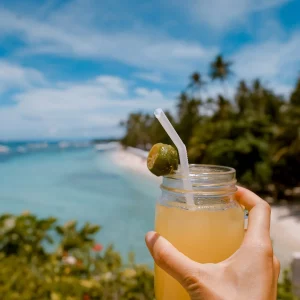
Punta Cana, Dominican Republic, is a popular tourist destination for good reason. All the rumors you’ve heard about its rare tropical beauty are true. We have beautiful, soft, white sandy beaches here, lots of swaying palm trees, a near-constant gentle breeze, and some of the most vivid turquoise blue waters you’ll ever see anywhere.
But you may also have heard other, more unsavory things about this glorious place. Consequently, you might be wondering: Is Punta Cana safe? And is it safe to travel beyond your resort?
The answer is: yes, of course! All the bad things you’ve heard are just myths. Below, we dispel the top 4 myths about Punta Cana safety in 2026.
In This Guide
- Myth #1: Resort Security Is Not Good
- Myth #2: The Local People Aren’t Friendly
- Myth #3: The Vendors Are Out To Scam You
- Myth #4: Punta Cana Is Beset By Crime
- 2026 Safety Statistics
- Safety FAQs
Myth #1: Resort Security Is Not Good
Don’t believe what some resort snobs tell you regarding Punta Cana safety. Punta Cana is one of the safest vacation spots in the Caribbean. Hotel security is top-notch! There’s even a special branch of the police department called POLITUR devoted entirely to tourists’ safety.
POLITUR officers are often stationed in hotels, and many of them do nothing except patrol the resort areas to make sure tourists are safe and having fun. You’ll also find POLITUR at popular tourist attractions, beaches, and on major roads. This dedicated tourist police force has been operating since 2003 and has significantly contributed to the region’s safety record.
The best all-inclusive resorts have 24-hour security, gated entrances, and surveillance cameras throughout the property. Many also employ private security firms in addition to hotel staff.
Myth #2: The Local People Aren’t Friendly
You may have heard that the local people aren’t friendly and will treat you coldly. But the truth is that Punta Cana is welcoming to all kinds of people, including tourists. Dominican culture is known for its warmth and hospitality—“calidad humana” (human warmth) is a point of national pride.
Furthermore, if you’re worried about not understanding the local language, don’t be. You’ll hear English almost everywhere, thanks to all the people from Western and European countries who live, work, or have retired to Punta Cana. These “expats” are mostly from Canada, Spain, France, Italy, the United States, Germany, and various places in South America.
It’s truly amazing to see how many people from all over the world coexist and interact harmoniously together here in Punta Cana. Staff at resorts, restaurants, and tour companies are accustomed to serving international visitors and often speak multiple languages.
Myth #3: The Vendors Are Out To Scam You
Many stories about Punta Cana and other resort towns tell of vendors whose only mission, it seems, is to scam you. That’s not the case here.
Indeed, you will probably be approached by locals who want you to buy their wares at Bavaro Beach and other popular spots. But these are good people who have families to feed. They may try to sell you things for more than the local price—that’s normal for tourist areas worldwide. But if you’re happy with your negotiated price, and they’re happy, then everyone wins!
If you don’t want to be bothered, kindly say, “No hoy, gracias” (Not today, thank you—the “h” in “hoy” is silent). With this simple phrase, the vendor will respectfully move along. Some helpful tips:
- Negotiate politely – counter-offering is expected and not rude
- Check prices at resort shops first – this gives you a baseline for comparison
- Buy from licensed vendors – they wear official credentials
- Book excursions from reputable companies – like Punta Cana Adventures
Myth #4: Punta Cana Is Beset By Crime
Don’t be afraid to leave your hotel based on the myths you’ve heard about crime rates. In truth, Punta Cana has consistently been reported as having one of the lowest crime rates of any major Caribbean tourist destination.
The Dominican Republic’s tourism zones benefit from extra security measures, including POLITUR patrols, resort security, and well-lit public areas. The government recognizes that tourism is vital to the economy and invests heavily in keeping visitors safe.
The main concern for tourists is petty theft—especially of cell phones and unattended belongings. This is true of nearly every popular tourist destination in the world. Use common sense:
- Don’t flash expensive jewelry or large amounts of cash
- Use your hotel safe for valuables
- Keep your phone and wallet secure at the beach
- Use reputable transportation (resort shuttles, licensed taxis)
2026 Safety Statistics
Here’s what official sources say about safety in the Dominican Republic:
- The U.S. State Department rates the Dominican Republic at Level 2 (Exercise Increased Caution)—the same level as popular destinations like France, Germany, and the United Kingdom
- Over 8 million tourists visit the Dominican Republic annually, with the vast majority reporting safe, enjoyable experiences
- Punta Cana specifically has a lower crime rate than many U.S. cities
- POLITUR maintains a visible presence throughout all major tourist areas
So, is Punta Cana safe in 2026? The answer is a resounding YES! Start planning your trip today!
Punta Cana Safety FAQs
Is Punta Cana safe for solo female travelers?
Yes, Punta Cana is generally safe for solo female travelers. The resort areas are well-patrolled, and millions of women visit safely each year. Standard precautions apply: stick to well-lit areas at night, use hotel transportation, and trust your instincts.
Is it safe to drink tap water in Punta Cana?
It’s recommended to drink bottled water in Punta Cana. All resorts provide bottled water, and it’s widely available in stores. Ice at resorts is typically made from purified water and is safe.
Is it safe to leave the resort in Punta Cana?
Absolutely! In fact, we encourage you to explore beyond your resort. Book excursions with reputable operators, visit local beaches, and experience authentic Dominican culture. Just use common sense and book transportation through trusted sources.
What should I avoid in Punta Cana?
Avoid walking alone in unfamiliar areas late at night, flashing expensive items, leaving belongings unattended on the beach, and unlicensed taxis or tour operators. These precautions apply to any tourist destination worldwide.
Is the water safe to swim in?
Yes! Punta Cana’s beaches have clean, beautiful Caribbean water. Bavaro Beach and other resort beaches are regularly maintained. Pay attention to flag warnings (red flag = don’t swim) and swim in designated areas.
Are taxis safe in Punta Cana?
Licensed taxis are safe. Use taxis arranged through your hotel or reputable apps. Agree on the fare before getting in, or ask if the taxi has a meter. Avoid unmarked vehicles offering rides.
Is Punta Cana safer than Cancun?
Both destinations are popular and generally safe for tourists. Punta Cana vs Cancun is a common comparison—Punta Cana typically reports lower crime rates, particularly for violent crime, though both have excellent tourist infrastructure.
What is POLITUR?
POLITUR is the Dominican Republic’s dedicated tourist police force, established to protect visitors. Officers are bilingual (Spanish/English), specially trained in tourist assistance, and stationed throughout resort areas, airports, and popular attractions.
More Punta Cana Safety Resources
For comprehensive safety information, see our main guide: Is Punta Cana Safe? Complete 2026 Guide – covering crime statistics, health precautions, emergency contacts, and traveler testimonials.
Related guides: Leave Resort Safety | Sharks | Drinking Laws | Hurricane Tips