
Planning a trip to Punta Cana in 2026? You’re in luck—the Dominican Republic welcomes visitors with open arms and minimal entry requirements. This comprehensive guide covers everything you need to know about Punta Cana travel restrictions, entry requirements, and practical tips for a smooth vacation.
Current Entry Requirements for Punta Cana 2026
Great news for travelers: The Dominican Republic has no COVID-related entry restrictions as of 2026. All pandemic-era requirements including vaccination proof, testing, and health declarations have been permanently lifted. Entry to Punta Cana is now as straightforward as it was before 2020.
To enter the Dominican Republic in 2026, you need:
- Valid passport (valid for at least 6 months beyond your stay)
- Completed e-Ticket (free online form)
- Return or onward travel ticket
- Proof of accommodation (hotel reservation)
That’s it! No visa required for citizens of the United States, Canada, United Kingdom, European Union, and most other countries for stays up to 30 days.
e-Ticket and Dominican Republic Immigration Requirements
All passengers entering and leaving the Dominican Republic on commercial flights must complete the free e-Ticket form. This digital form replaces the old paper customs declaration and immigration forms. Complete it online before your flight—it takes about 5 minutes.
The e-Ticket generates a QR code that immigration officials scan upon arrival at Punta Cana International Airport (PUJ). You’ll need to complete separate forms for entry and exit. Save the QR codes to your phone or print them.
Passport and Visa Requirements
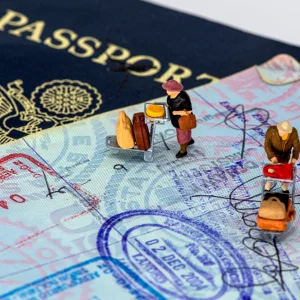
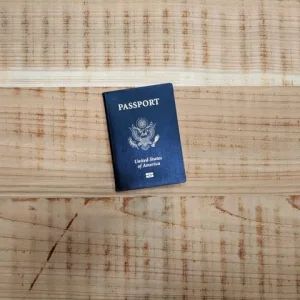
Passport validity: Your passport must be valid for at least six months beyond your planned departure from the Dominican Republic. This is strictly enforced.
Visa-free entry: Citizens of most countries can visit for up to 30 days without a visa. This includes the United States, Canada, UK, all EU countries, Australia, and most Latin American countries.
Longer stays: If you plan to stay beyond 30 days, you can either extend at a local immigration office or pay a fee at the airport upon departure (approximately $50 USD for overstays up to 90 days).
Traveling with minors: Children traveling with only one parent should carry a notarized letter of consent from the absent parent. Unaccompanied minors need additional documentation from both parents.
Health and Safety Precautions
While there are no mandatory health requirements for entering the Dominican Republic, taking basic precautions ensures a healthy trip:
- Travel insurance: Highly recommended for medical emergencies and trip cancellation coverage
- Sun protection: The Caribbean sun is intense—bring reef-safe sunscreen and stay hydrated
- Water safety: Drink bottled water outside of resorts
- Insect repellent: Mosquitoes are present, especially at dawn and dusk
- Routine vaccinations: Ensure your standard vaccinations are up to date
Hurricane season: June through November is hurricane season in the Caribbean. While direct hits are rare, monitor weather forecasts if traveling during these months. Most resorts have comprehensive hurricane policies.
For comprehensive safety information, see our guide: Is Punta Cana Safe?
Where to Stay in Punta Cana
Punta Cana offers over 100 resorts and hotels across every budget and travel style. The tourism sector is fully operational with no restrictions on capacity or amenities.
Popular options include:
- All-inclusive resorts: The most popular choice, with meals, drinks, and activities included
- Adults-only properties: Perfect for couples and honeymoons
- Family resorts: Featuring water parks and kids clubs
- Boutique hotels: Intimate settings for a personalized experience
Browse our complete hotel guide: Punta Cana Hotels & Resorts
Practical Information for Your Dominican Republic Trip
Key facts to know before you go:
- Currency: The Dominican Peso (DOP) is the official currency. US dollars are widely accepted at resorts and tourist areas. Credit cards work at most establishments.
- Language: Spanish is the official language. English is widely spoken at resorts and tourist areas.
- Time zone: Atlantic Standard Time (AST) – no daylight saving time observed.
- Electricity: 110V with US-style outlets (Type A/B). US travelers don’t need adapters.
- Tipping: Customary at 10-15%. Bring small US bills ($1, $5) for tipping at resorts.
- Airport: Most visitors fly into Punta Cana International Airport (PUJ), the busiest airport in the Caribbean.
Frequently Asked Questions
Do I need a COVID test to enter Punta Cana?
No. The Dominican Republic has no COVID-related entry requirements as of 2026. No vaccination proof, negative tests, or health declarations are required. Entry is as simple as it was before the pandemic.
Do US citizens need a visa for the Dominican Republic?
No visa required. US citizens can visit the Dominican Republic for up to 30 days without a visa. You only need a valid passport (valid for 6+ months), completed e-Ticket, and proof of return travel.
What is the e-Ticket for Dominican Republic?
The e-Ticket is a free digital form that replaces paper immigration and customs declarations. Complete it online before your flight. You’ll receive a QR code to show at immigration. It’s required for both entry and exit.
Is travel insurance required for Punta Cana?
Not required, but strongly recommended. Travel insurance covers medical emergencies, trip cancellation, and lost luggage. Healthcare in the Dominican Republic can be expensive for uninsured visitors. Many credit cards offer basic travel insurance.
Are there any travel restrictions for Punta Cana in 2026?
No significant restrictions. The Dominican Republic welcomes visitors with minimal entry requirements. Standard passport and e-Ticket requirements apply. There are no health-related restrictions, curfews, or capacity limits at resorts and attractions.
What documents do I need to fly to Punta Cana?
You need: 1) Valid passport (6+ months validity), 2) Completed e-Ticket with QR code, 3) Return or onward flight ticket, 4) Hotel reservation or proof of accommodation. No visa needed for most nationalities.
Can I extend my stay beyond 30 days?
Yes. You can either visit a local immigration office to extend your stay, or pay an overstay fee at the airport when departing. The fee is approximately $50 USD for overstays up to 90 days. Longer overstays incur higher fees.
Is Punta Cana safe to visit in 2026?
Yes, Punta Cana is very safe for tourists. The resort areas are well-protected with 24/7 security. As with any destination, exercise normal precautions with valuables. See our detailed guide: Is Punta Cana Safe?